
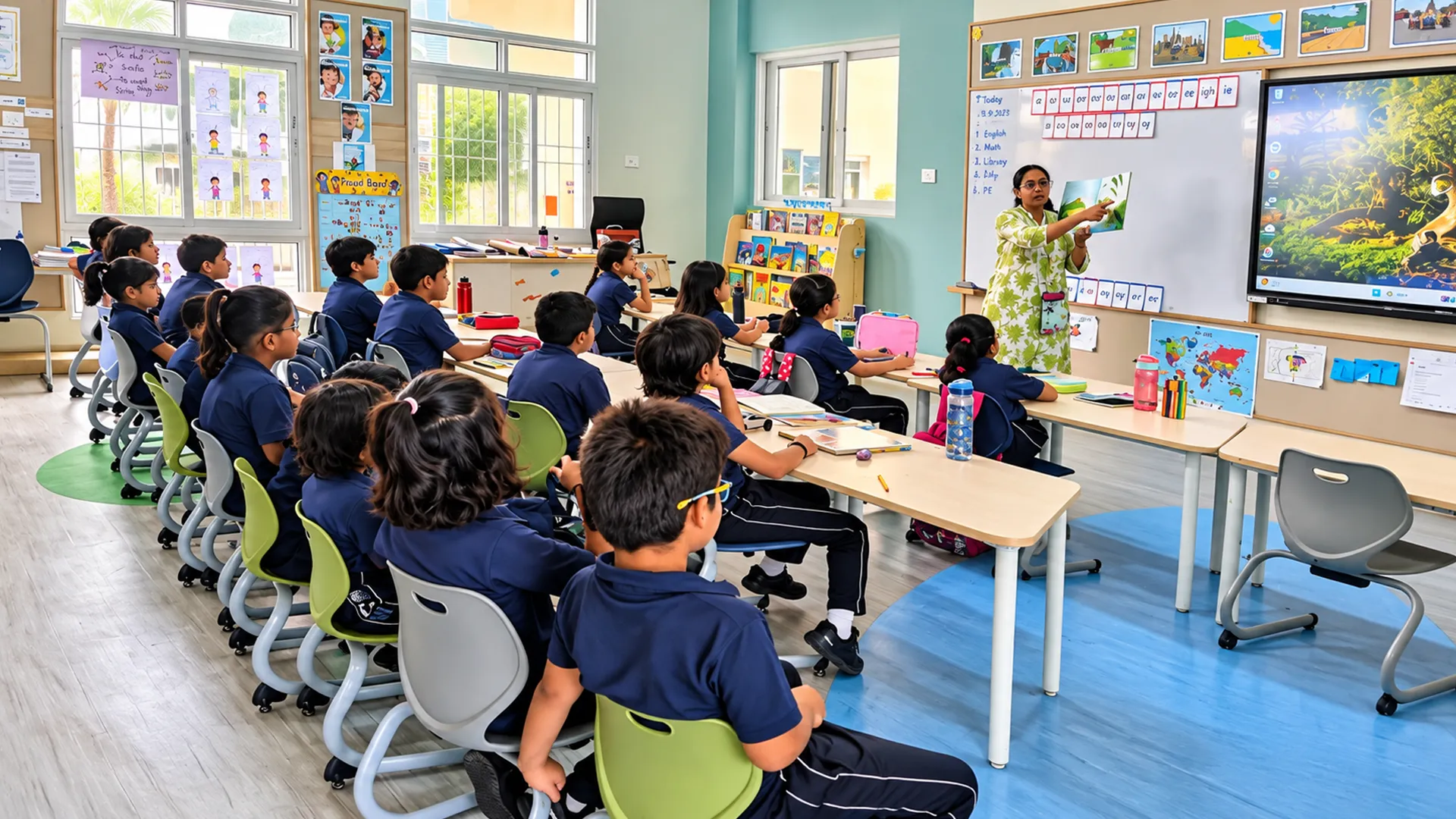
“Failure is the first step to success.” We hear this phrase often in education. But at UWA, we look at it differently. Is failure really necessary for success? Or can preparation, involvement and meaningful learning help students succeed before failure becomes the teacher? We believe that preparation is the first step towards success, and the key to preparation is involvement.
Education is not simply about transferring knowledge from a teacher to a student. It is about creating opportunities for students to experience, question, investigate, apply, and reflect. We cannot teach a child to ride a bicycle by talking about it. Can we?
Imagine teaching a child to ride a bicycle only through verbal instructions: “Sit properly. Hold the handle. Keep your balance. Push the pedals. Look straight. Don’t fall.” The child may understand every instruction perfectly. But can the child actually ride? Probably not. At some point, the child must get on the bicycle. The child needs to experience balance, adjust, practice, and gradually develop confidence. That is experiential learning.
We don’t learn everything by listening to someone explain it. Some things must be experienced. This is where inquiry-led education becomes powerful.
From Teaching Content to Creating Learning Experiences
In an inquiry-led classroom, students are not passive recipients of information. They become active participants in the learning process. They are encouraged to ask meaningful questions, investigate real-world problems, conduct research, gather and evaluate evidence, collaborate with others, apply concepts to unfamiliar situations, challenge assumptions, and reflect on their learning.
The teacher is not simply the person providing answers. The teacher becomes a facilitator, mentor, questioner, and designer of meaningful learning experiences. Student-centered learning does not mean teacher-less learning. It requires teachers who know when to guide, when to scaffold, when to challenge, and when to step back.
What Does This Look Like in an IB Classroom?
Consider a lesson on inflation in IB Economics.
A traditional lesson might begin with: “Inflation is a sustained increase in the general price level.” Students may copy the definition, learn the causes, and prepare for an examination.
An inquiry-led IB classroom could begin with a simple question: “Why can ₹1,000 buy less today than it could a few years ago?” That question creates curiosity. Students might compare the prices of everyday products, collect information from their families, examine inflation data, and investigate how inflation affects different income groups. The teacher then helps students connect their findings to concepts such as CPI, demand-pull inflation, cost-push inflation, and real income. Students are not merely memorising a definition. They are investigating a phenomenon they experience in everyday life. This approach develops subject knowledge alongside research, communication, critical thinking and reflection skills.
What Does This Look Like in a Cambridge Classroom?
The same philosophy can be applied in a Cambridge classroom. Imagine a Cambridge Economics lesson on market failure.
Instead of beginning with: “Define negative externalities,” the teacher presents a real-world situation: “A factory provides employment to hundreds of people, but its pollution affects the health of the surrounding community. Should the government intervene?”
Students investigate the issue from different perspectives: the factory, workers, consumers, residents, environmental groups, and government. They analyse external costs, construct economic diagrams, evaluate possible government interventions and justify their recommendations using evidence.
The teacher does not immediately provide the answer. Instead, the teacher asks: “Who bears the cost?”, “What is your evidence?”, “Will government intervention solve the problem completely?”, “What could be the unintended consequences?” Students are learning economics, but more importantly, they are learning how to think like economists.
We Don’t Just Use Case Studies. We Create Them.
One of the most important aspects of our approach at UWA is that we don’t want students to remain consumers of knowledge. We want them to become creators of knowledge. Case studies are excellent learning tools. But our ambition goes further.
We don’t simply give students case studies to read. We encourage students to investigate real-world situations, research them, analyse evidence, and write their own case studies. Our aspiration is to encourage students to create work that is valuable enough to be shared, published, and, ultimately, cited by other learners and researchers.
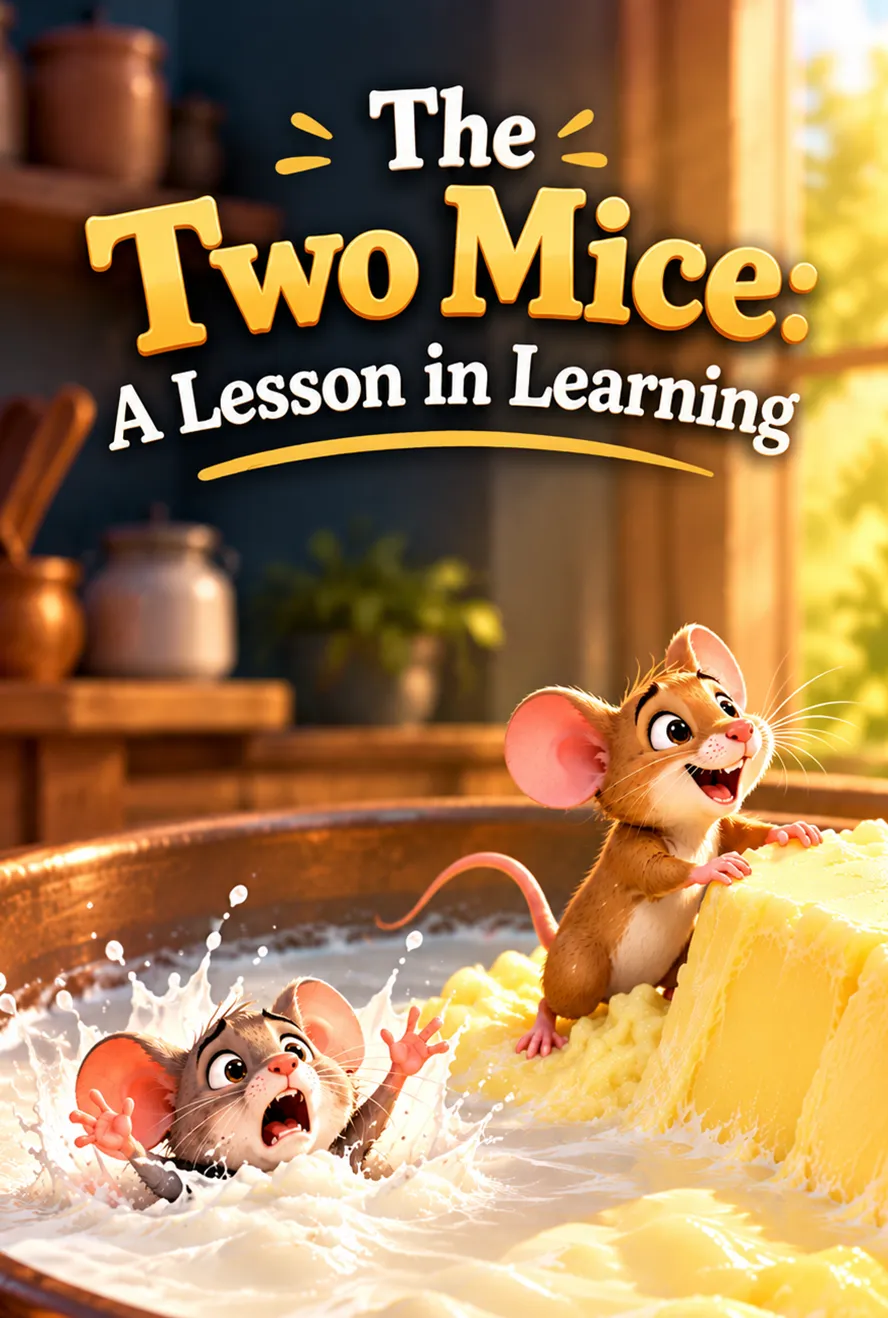
A lesson in learning
The Two Mice: A Lesson in Learning
Two mice accidentally fell into a pot of milk. The first mouse looked around and thought, “Someone will come and teach me what to do.” So it waited. But no one came. The mouse eventually drowned.
The second mouse did not wait for instructions. It began paddling. It struggled. It experimented. It kept moving until the milk gradually turned into butter. The solid surface allowed the mouse to climb out.
As educators, our role is not to ensure that students never face challenges. Our role is to prepare them to face those challenges with knowledge, confidence, curiosity, and the ability to act, thus creating the second mouse.
Curious what inquiry-led learning looks like inside a UWA classroom?