
Cambridge Primary at UWA
Cambridge Primary · Grade 1 to Grade 5Overview
Primary Years at UWA build strong foundations for confident, independent learning. Through the Cambridge Primary pathway, students in Grades 1 to 5 develop knowledge and skills progressively while discovering how their learning connects to everyday life.
This is a time to strengthen literacy and numeracy, ask better questions and develop the habits that help children learn well. We balance academic progress with creativity, physical activity, friendship and responsibility, so students feel both challenged and supported as they grow.
Learning
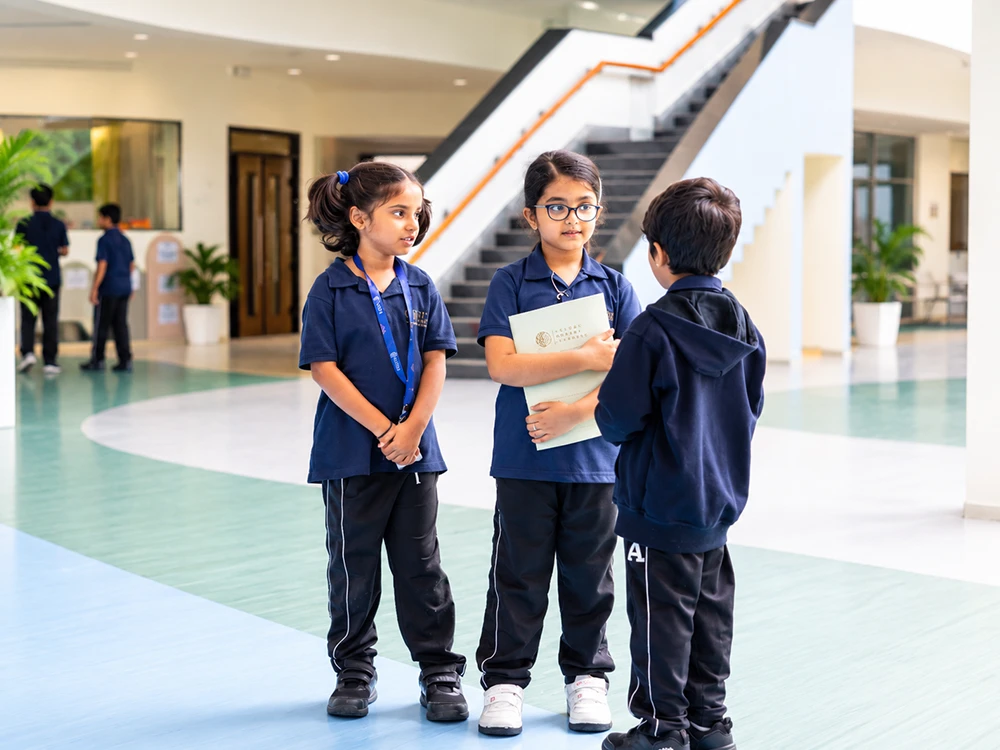
In Primary Years, teachers combine clear instruction with discussion, investigation and hands-on work. Students explain their thinking, test ideas, read widely and learn to listen to perspectives other than their own. Individual work helps them take ownership; paired and group tasks teach collaboration and communication.
Feedback is part of the learning process. Teachers look at what students understand, where they need support and when they are ready for a greater challenge. Beyond lessons, clubs and enrichment give students room to explore interests such as gardening, financial literacy, life skills and how things work.
Curriculum
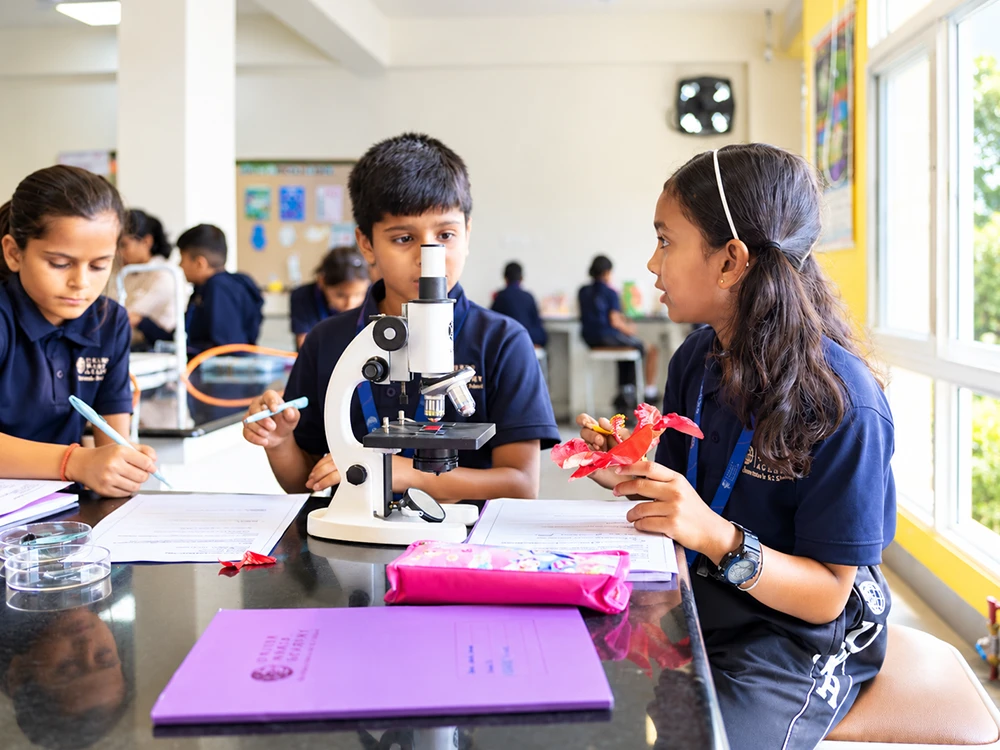
Cambridge Primary provides a clear progression in core areas including English, mathematics and science. At UWA, students also encounter languages, humanities, creative expression, physical education and opportunities to apply learning across subjects.
The focus is on understanding as well as knowledge. Students learn to use language with purpose, reason mathematically and investigate the natural world. Projects and classroom tasks invite them to connect concepts, communicate what they have learned and consider questions relevant to their community. Ongoing assessment informs teaching and helps students recognise their own progress.
A Day at UWA
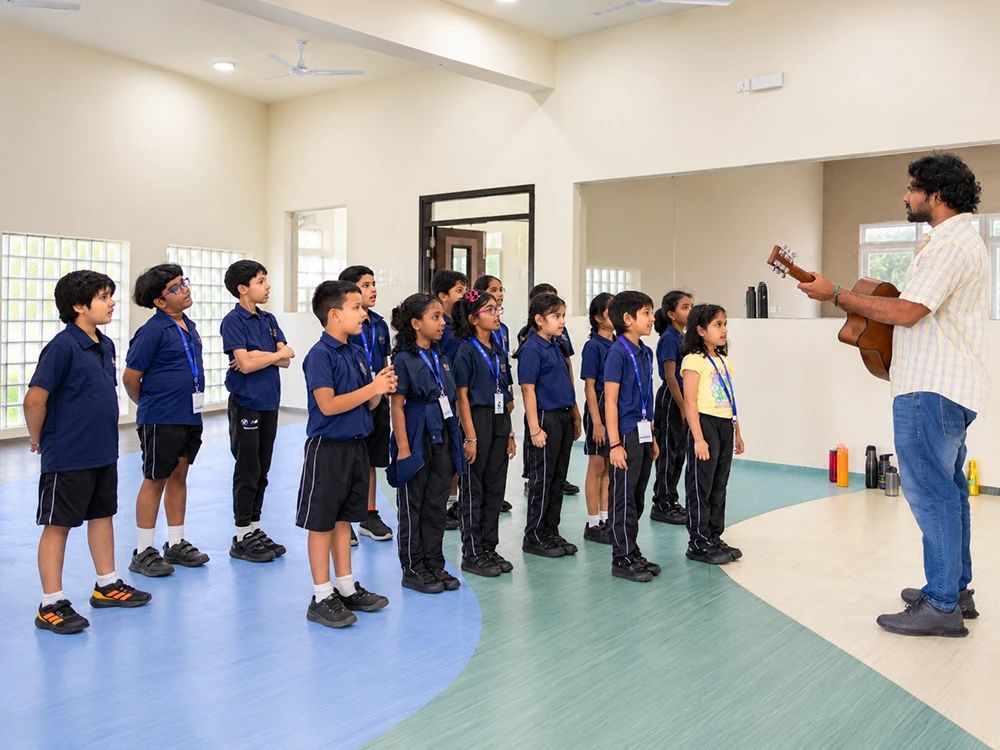
A Primary Years day moves between focused lessons, conversation, practical exploration and time to be active. Students might begin by reading and sharing ideas, then work through a mathematical problem or investigate a question in science. Art, languages and movement add different ways to think and express themselves.
Breaks give children time to recharge and connect with friends. On scheduled days, clubs, enrichment and house activities extend learning beyond regular lessons. Teachers help students organise their work, reflect on their progress and prepare for the next day. Each day offers a blend of structure, discovery and growing independence.