
Middle School: Cambridge Lower Secondary
Cambridge Lower Secondary · Grade 6 to Grade 8Overview
Middle School is a stage of change and possibility. In Grades 6 to 8, UWA students follow the Cambridge Lower Secondary pathway, building on their Primary Years foundations and preparing for the academic demands of Cambridge IGCSE.
As students encounter more complex ideas, they also develop a stronger sense of identity and responsibility. We give them room to question, explore and take initiative, alongside the guidance and pastoral support they need during these important years.
Learning
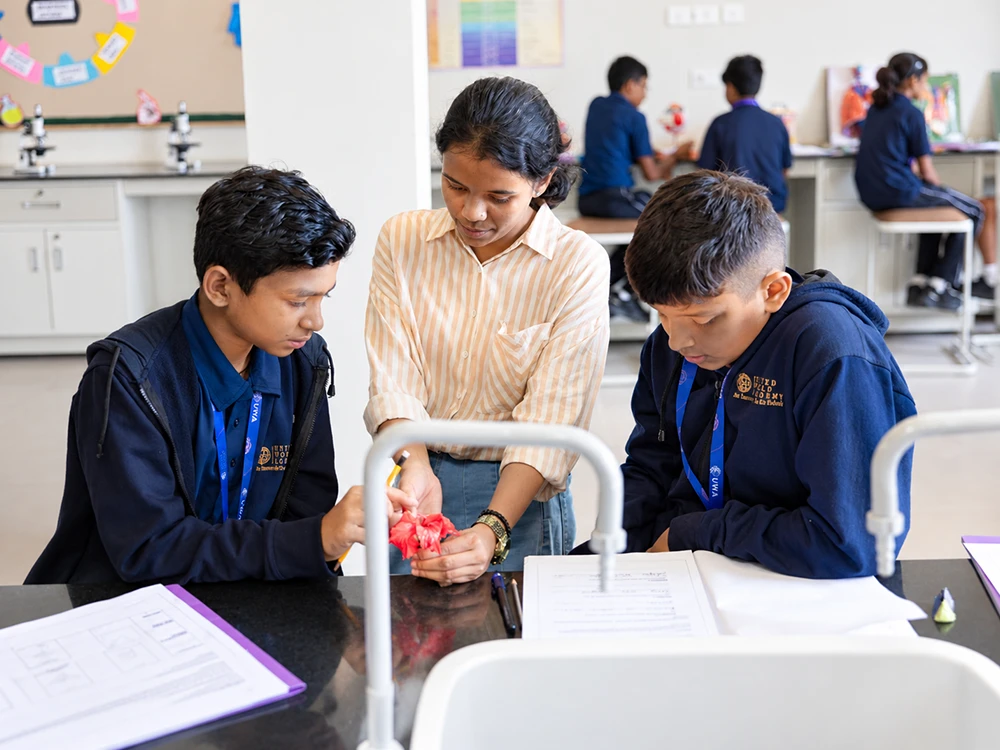
Middle School learning asks students to do more than remember information. They analyse evidence, make connections between subjects, discuss different viewpoints and communicate their conclusions clearly. Teachers set purposeful challenges and help students develop the study habits and resilience needed for the next stage.
Practical work, discussion, research and collaborative projects encourage students to apply what they learn. Enrichment experiences, including applied thinking, baking, wordcraft, finance and future tools, offer another setting in which to test ideas and discover strengths. Students are encouraged to seek feedback, reflect on their work and take increasing ownership of their progress.
Curriculum
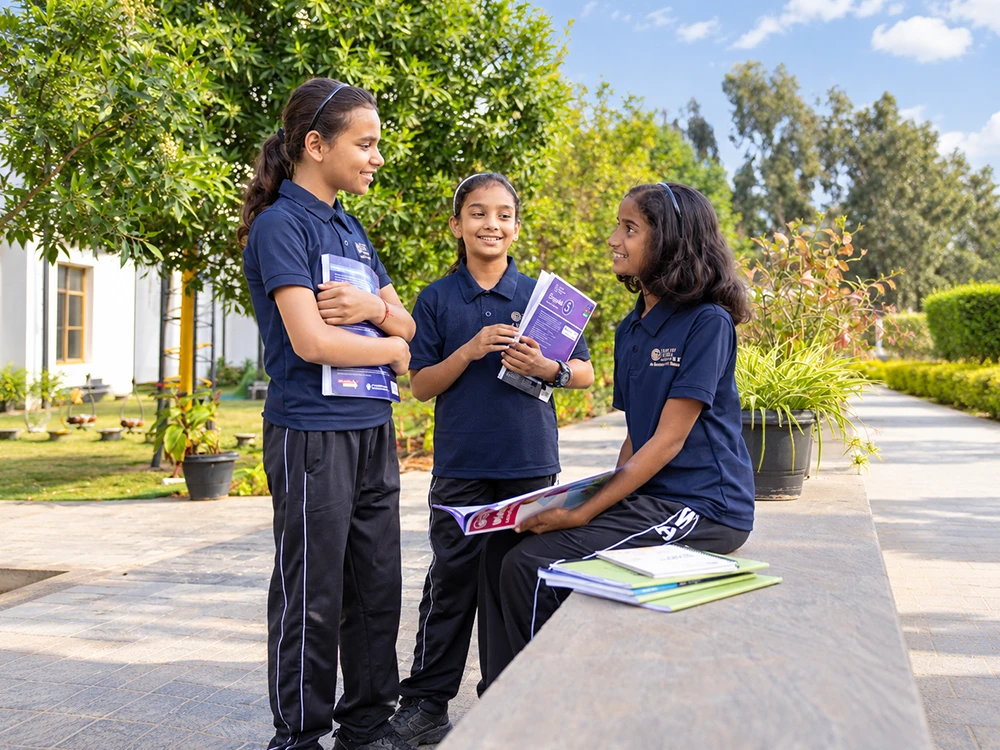
Cambridge Lower Secondary provides a structured progression in English, mathematics and science, with scope for a broad education across languages, humanities, creative and physical learning. At UWA, subject knowledge is developed alongside communication, critical thinking and the ability to work independently.
Learning becomes more specialised across Grades 6 to 8 while remaining connected. Students investigate concepts in depth, practise applying knowledge in new situations and learn to support their ideas with evidence. Classroom assessment and feedback help them identify strengths and areas for growth, preparing them to make a confident transition to IGCSE in Grade 9.
Middle School
A Day at UWA
A Middle School day brings together subject lessons, practical work and opportunities to contribute to school life. Students may move from a science investigation to a discussion in humanities, then tackle a mathematical challenge or develop a piece of writing. Across lessons, they are expected to ask questions, participate and explain their thinking.
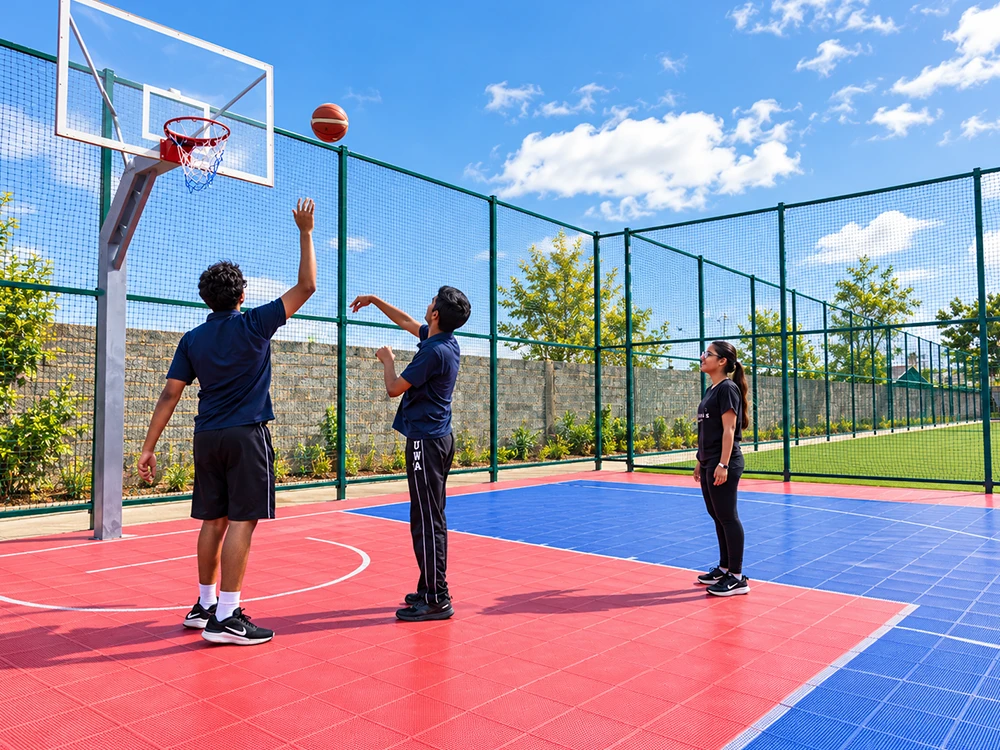
Breaks, sport and time with peers are important parts of the day. On scheduled days, enrichment, clubs and house activities provide opportunities to collaborate, lead and try something new. Students leave with a clearer sense of what they have learned and what they need to work on next.