
Early Years at UWA
Cambridge Early Years · Nursery to UKGOverview
The Early Years at United World Academy are the beginning of a child's learning journey. Guided by Cambridge Early Years, our programme gives young learners the time, care and encouragement to explore the world around them, build friendships and grow in confidence.
Children learn best when they feel secure and involved. Our educators create purposeful experiences that combine play, conversation, movement and discovery. Each child is supported at their own pace while developing the communication, thinking and social skills that prepare them for Primary Years.
Learning
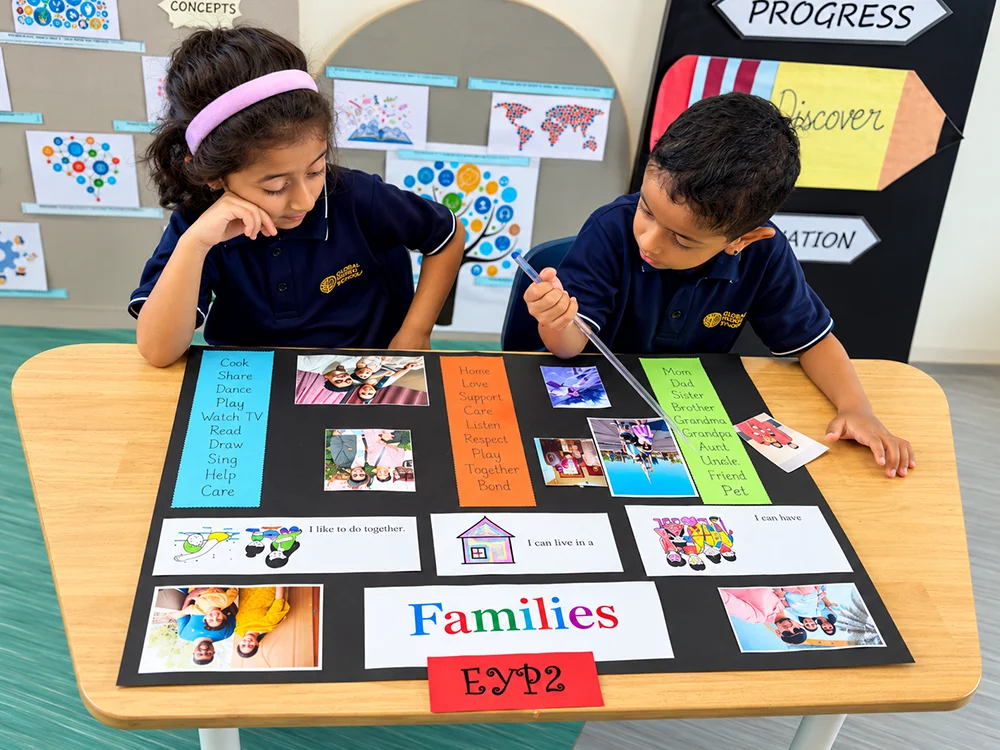
Learning in the Early Years is active, joyful and carefully planned. A question about a plant, a story shared with friends or a structure built from blocks can lead to language, mathematics, creativity and problem-solving. Teachers guide these moments, introduce new ideas and observe how each child is progressing.
Children have opportunities to speak and listen, make choices, try things independently and learn to work with others. Indoor and outdoor experiences encourage curiosity and physical development, while a close partnership with families helps us understand and support each learner.
Curriculum
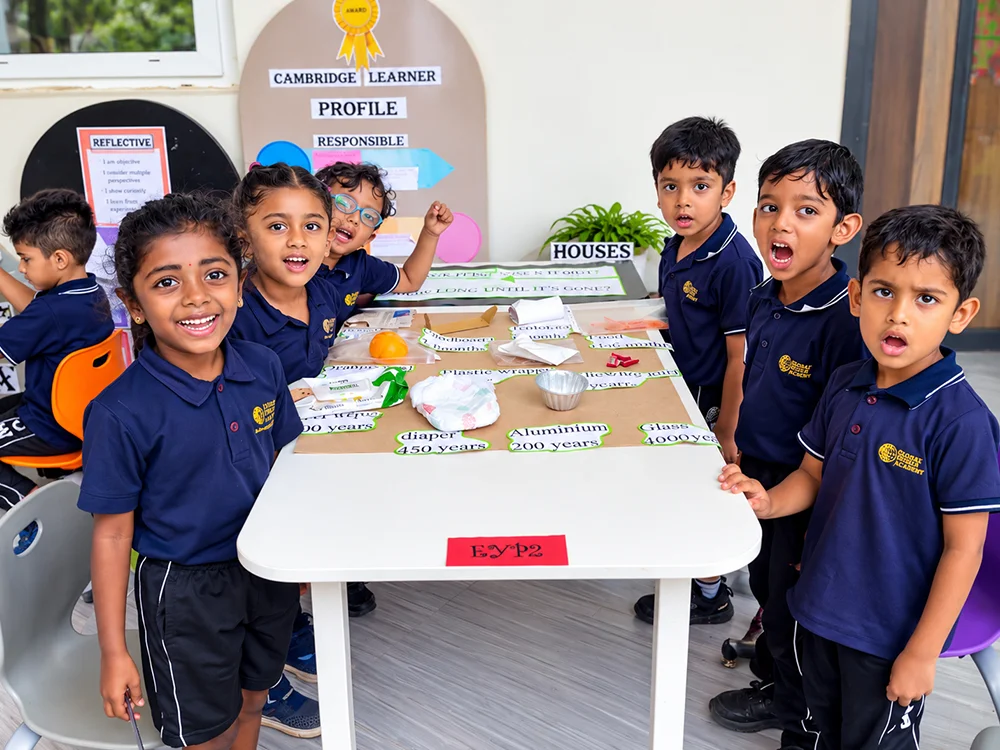
Our programme follows the Cambridge Early Years framework, which supports the whole child through six connected areas: communication and literacy; creative expression; mathematics; physical development; personal, social and emotional development; and understanding the world.
These areas are woven into meaningful experiences rather than taught as isolated subjects. Stories, songs, games, art, movement and exploration help children revisit ideas and build deeper understanding over time. Educators use observation and ongoing feedback to plan the next steps for each child and support a confident transition into Primary Years.
A Day at UWA
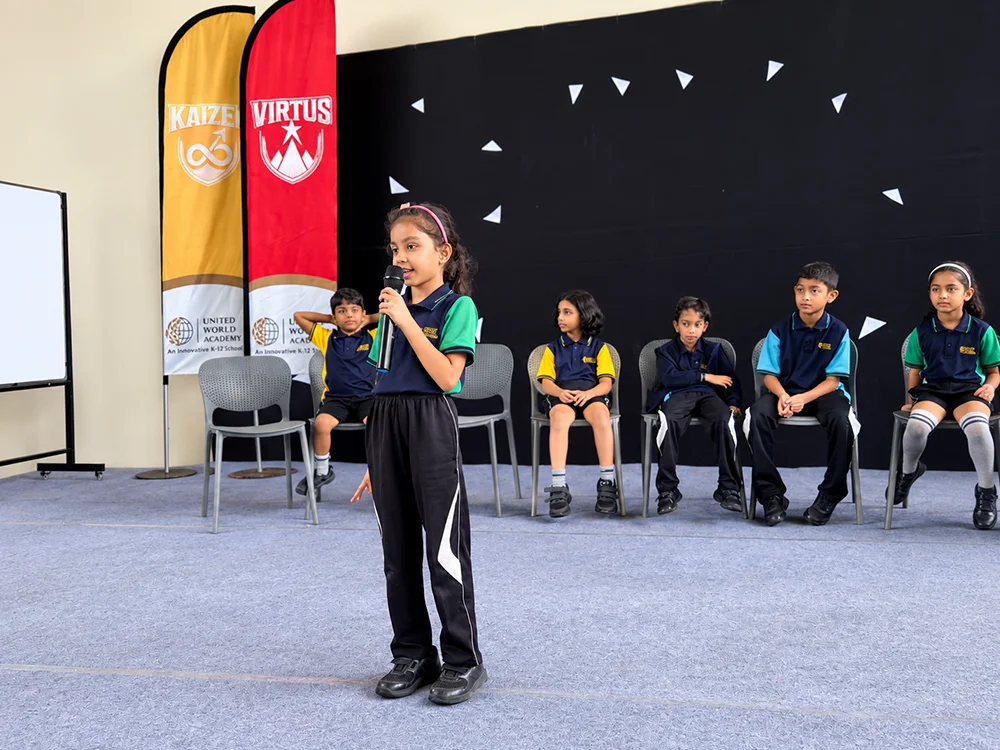
A day in the Early Years begins with a warm welcome and time to settle in. Children reconnect with their teachers and friends before moving into a mix of group experiences and smaller activities. A story may spark conversation and imaginative play; a counting game may lead to building, sorting or exploring patterns.
There is time for movement and outdoor play, creative work, breaks and quiet moments. Teachers move alongside children, asking questions, offering support and noticing new interests. As the day comes to a close, children reflect on what they have made, discovered and shared. The rhythm is structured enough to help them feel secure and flexible enough to follow their curiosity.